
Introduction
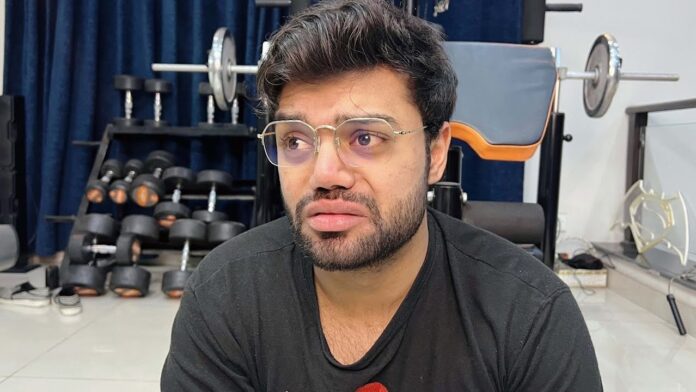
Aftershocks of Ducky Bhais Video! Rs. 4.25 Crore recovered from Arrested Officers During Investigation. In an era where digital voices carry the weight once reserved for major news outlets, Pakistan is witnessing a dramatic shift in how national conversations unfold. A recent example is the ripple effect triggered by a video posted by popular YouTuber Ducky Bhai. What began as a straightforward commentary on corruption and administrative failures eventually evolved into a national-level probe that resulted in the recovery of Rs. 4.25 crore from several arrested government officers.
This incident raises intriguing questions: How can one influencer spark such intense scrutiny? Why did this particular message resonate so deeply with the public? And what does the recovery say about Pakistan’s ongoing fight against corruption?

Table of Contents
The Growing Voice of Digital Influencers
The rise of digital creators over the last decade has transformed the way people consume information. No longer limited to entertainment, platforms like YouTube now host commentary, analysis, and discussions that influence public thought. Ducky Bhai, known for his candor and sharp critiques, is one of those creators whose voice often reflects public sentiment in an unfiltered way.Ducky Bhai’s style is simple: speak honestly, speak boldly, and say what many hesitate to articulate publicly. His critiques often highlight social issues that everyday citizens experience but rarely bring into the spotlight.
When he uploaded his video discussing the widening gap between public service expectations and the ground reality, viewers immediately connected with it. The comments section filled with stories of ordinary people who had faced similar problems—delays in paperwork, officers demanding bribes, files mysteriously “going missing,” and countless other frustrations.
The video didn’t just entertain; it initiated a public discussion. People shared it across WhatsApp groups, Facebook pages, and X (formerly Twitter), adding their own experiences and opinions to the narrative.
In his now-viral video, he addressed widespread public concerns over mismanagement, delayed services, and the broader culture of corruption. Although he did not target specific individuals, his remarks struck a chord because they aligned with realities ordinary citizens experience daily.
The video’s traction demonstrated that people are not only willing to listen but are eager for someone to articulate their frustrations in a straightforward manner.

Public Reaction: A Wave Authorities Could Not Ignore
Within minutes of being posted, the video began to gain traction, drawing thousands of comments. Many viewers shared their own stories—some describing incidents of bribery in local departments, others highlighting how minor tasks are delayed unless “fees” are paid under the table.
What made this reaction powerful was its collective nature. Instead of isolated complaints, there was a concentrated wave of digital outrage that grew large enough to capture the attention of mainstream media. By the next day, clips from the video were circulating across news channels and social media platforms.
The pressure became too significant to ignore. Whether due to growing public dissatisfaction or the fear of losing credibility, authorities initiated an inquiry into the allegations of corruption circulating online.
The Investigation and Recovery of Rs. 4.25 Crore
As the investigative teams began their work, several officers found themselves under scrutiny. Suspicious financial transactions, abrupt spikes in personal wealth, and inconsistent official records raised red flags.
Raids were subsequently conducted at the residences and offices of the individuals under investigation. It was during these operations that authorities claimed to have recovered Rs. 4.25 crore—a staggering amount considering the salaries and official allowances of the accused officers. Along with cash, luxury items and documents pointing toward further financial misconduct were also discovered.
The magnitude of this recovery revealed not only wrongdoing but also the inefficiency of internal oversight mechanisms that had allowed such practices to continue for years.
Why the Incident Feels Different
Pakistan has seen countless anti-corruption drives, many of which lose momentum before achieving lasting results. However, this incident feels different for several reasons:
1. Public Pressure Drove the Momentum
This time, the spark came from ordinary citizens—viewers who resonated with Ducky Bhai’s message and amplified it across social platforms. It wasn’t a top-down political directive; it was bottom-up accountability.
2. Digital Voices Are Becoming Impossible to Silence
With millions of followers and unrestricted reach, creators like Ducky Bhai hold influence that rivals traditional media. Authorities can monitor mainstream channels, but they cannot control the unpredictable spread of public sentiment online.
3. Real Action Followed Online Discussions
Instead of fading into yet another debate, the conversation led to actual raids, arrests, and financial recovery. This gave people a rare sense that their collective voice had real power.
The Broader Impact on Governance
The incident highlights a growing trend: people are no longer willing to rely solely on institutions for accountability. Social media has become an informal yet powerful mechanism through which citizens expose wrongdoing and demand action.
If anything, this recovery forces the government to rethink how it monitors departments. It also encourages citizens to speak up, knowing that public pressure can potentially lead to tangible results.
Furthermore, officers across various institutions are likely now more aware that misconduct is not as easily hidden as before. With cameras everywhere and online audiences constantly evaluating public systems, the risk of exposure has increased dramatically.
Challenges That Still Remain
While the recovery is impressive, it represents only a small step. Corruption is deeply rooted, and dismantling it requires long-term structural changes. Some of the ongoing challenges include:
- Weak internal accountability systems
- Lack of transparency in procurement and public funds
- Cultural normalization of bribery
- Fear of retaliation among whistleblowers
Unless these systemic weaknesses are addressed, such cases may continue to emerge periodically.
Conclusion
The aftermath of Ducky Bhai’s commentary and the subsequent recovery of Rs. 4.25 crore marks a notable turning point. It shows how powerful public voices have become—and how deeply people crave honesty and accountability from their institutions.
This incident is more than just a news story; it is a reflection of a society gradually discovering its collective strength. If influencers, citizens, and authorities continue to play their parts responsibly, Pakistan may be inching toward a future where corruption faces stronger resistance than ever before.